
Spurgeon on the Writings of Thomas Manton
The following is C. H. Spurgeon‘s commendation of the writings of Thomas Manton.
* * *
While commenting upon the one hundred and nineteenth Psalm, I was brought into most intimate communion with Thomas Manton, who has discoursed upon that marvellous portion of Scripture with great fullness and power. I have come to know him so well that I could pick him out from among a thousand divines if he were again to put on his portly form, and display among modern men that countenance wherein was ‘a great mixture of majesty and meekness.’ His Works occupy twenty-two volumes in the modern reprint — a mighty mountain of sound theology. They mostly consist of sermons; but what sermons! They are not so sparkling as those of Henry Smith, nor so profound as those of Owen, nor so rhetorical, is those of Howe, nor so pithy as those of Watson, nor so fascinating as those of Brooks; and yet they are second to none of these. For solid, sensible instruction, forcibly delivered, they cannot be surpassed. Manton is not brilliant, but he is always clear; he is not oratorical, but he is powerful; he is not striking, but he is deep. There is not a poor discourse in the whole collection — they are evenly good, constantly excellent. Ministers who do not know Manton need not wonder if they are themselves unknown.
* * *
Thomas Manton was born in 1620 in Lawrence-Lydiat, Somerset, England. His father and both grandfathers were ministers of the gospel. When he was 15 he entered Wadham College at the University of Oxford. At nineteen he was ordained by Bishop Joseph Hall of Exeter (later of Norwich). His first settlement was at Stoke Newington in Middlesex, and his patron was Colonel Popham. He was there for seven years, and was appointed a chaplain to the Lord Protector, Oliver Cromwell. He succeeded Obadiah Sedgwick at Covent Garden in London. He was instrumental in the restoration of Charles II and became a Royal Chaplain, but in the Great Ejection he suffered along with other Puritans. He was imprisoned, but was allowed to preach from prison. He died October 18th, 1677 and his body was interred in the church at Stoke Newington.
The Trust has recently released the full 22-volume set of The Works of Thomas Manton and warmly commend them to our readers.
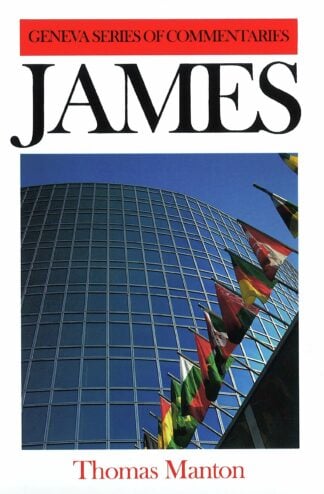
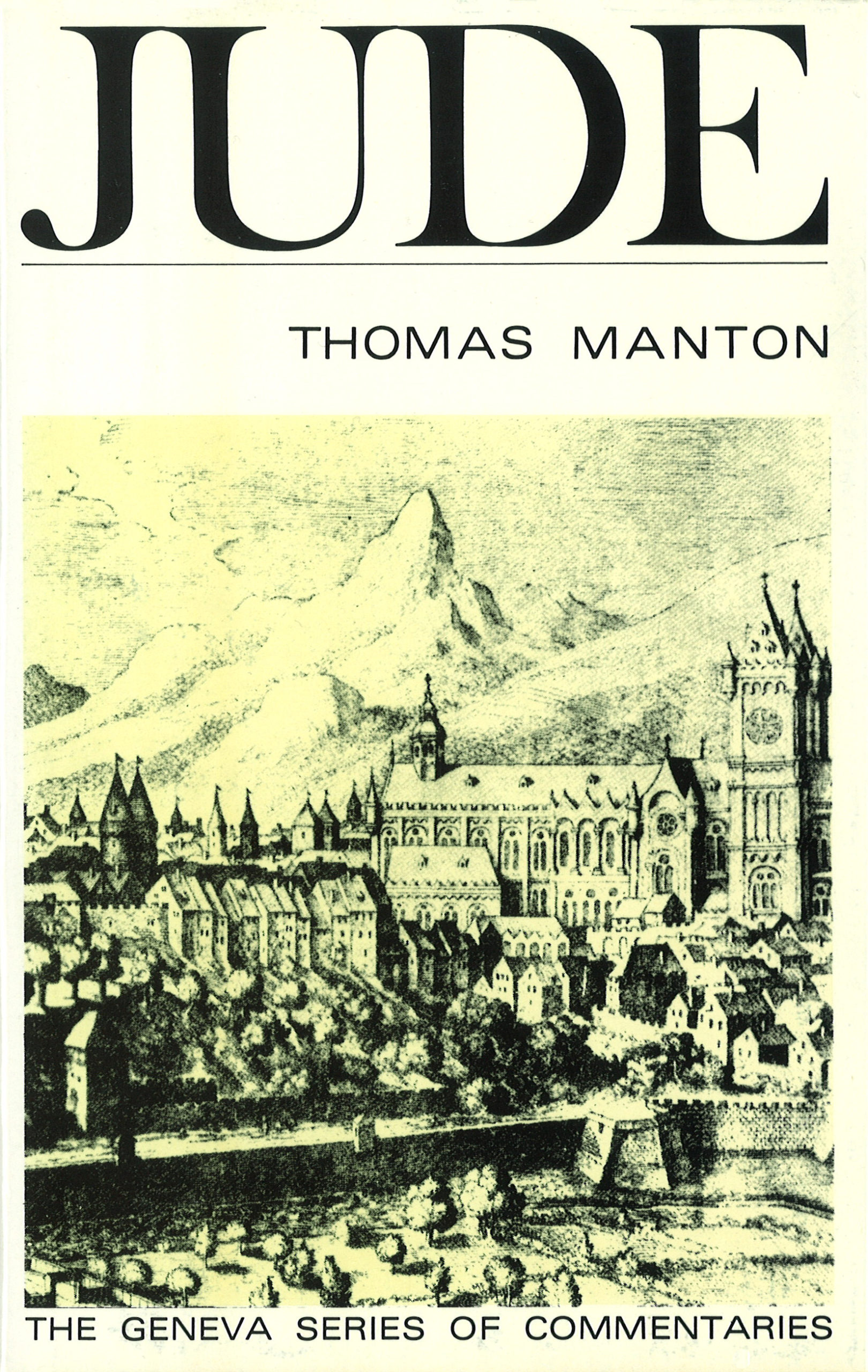
Manton Titles Published by the Trust

The Works of Thomas Manton
22 Volume Set
Description
Book Description The Works of Thomas Manton (1620–1677) present us with an outstanding example of what was most characteristic in the ministry of the English Puritans: careful, solid, warm-hearted applicatory exposition of the Scriptures. The entire twenty-two volumes are composed of sermons— the legacy of a lifetime devoted to the patient and systematic teaching and […]
Latest Articles
Pitfalls in Preaching: A Letter on Application 30 September 2026
The following letter was published in the December 2025 issue of the Banner Magazine. It is published here at the request of a reader who found it helpful, in the hope that its counsel might be blessed to others also. You can also listen to a reading of this letter on the Banner Podcast. Dear […]
The God Who Makes Bitter Things Sweet 31 July 2026
The Israelites had just walked between the walls of the water of the Red Sea and watched as the Lord washed away the whole Egyptian army. They sang a song of triumph on the far shore of the sea, rejoicing in the fear that had fallen on the surrounding nations (Ex. 15:14-16) and looking forward […]