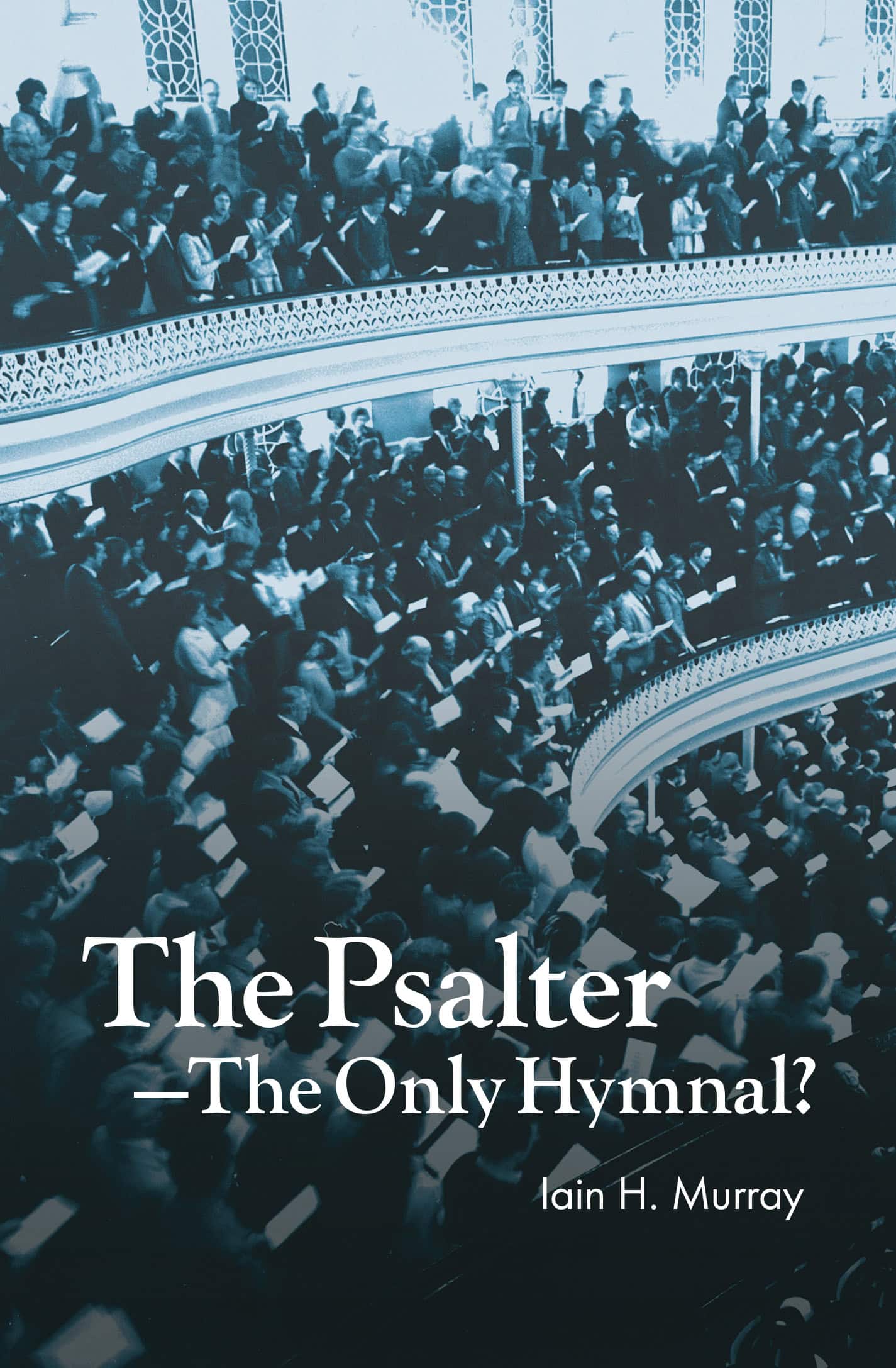
The Psalter
The Only Hymnal?
Price
$4.00
500 in stock
| Weight | .08 lbs |
|---|---|
| Dimensions | 7.25 × 4.8 × .2 in |
| ISBN | 9781800405721 |
| Binding | Booklet |
| Topic | Hymns, Worship |
| Original Pub Date | 2001 |
| Banner Pub Date | Sep 1, 2001 |
| Recent Pub Date Year | 2025 |
| Page Count | 32 |
| Series | Booklets |
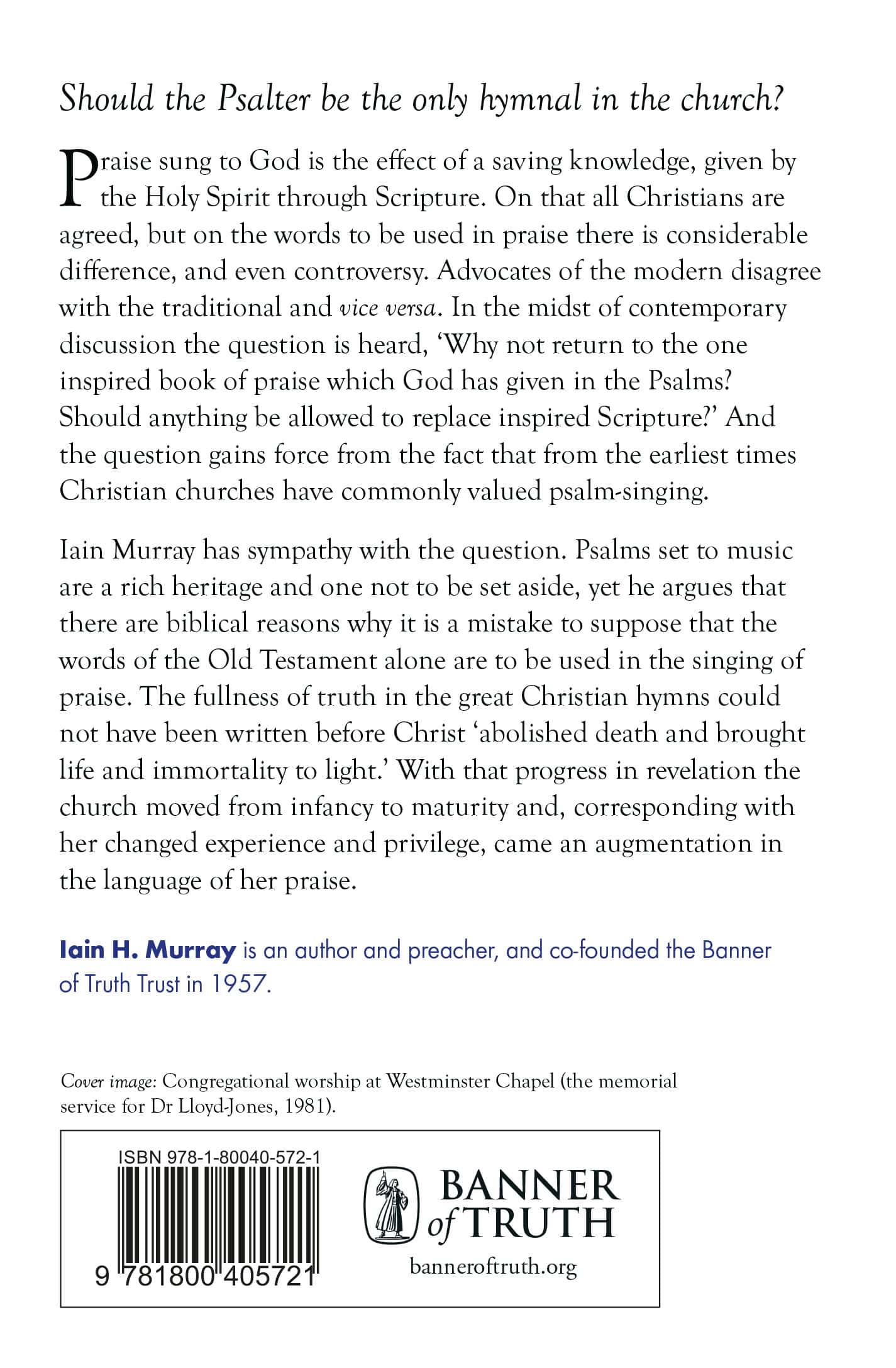
Praise sung to God is the effect of a saving knowledge, given by the Holy Spirit through Scripture. On that all Christians are agreed, but on the words to be used in praise there is considerable difference, and even controversy. Advocates of the modern disagree with the traditional and vice versa. In the midst of contemporary discussion the question is heard, ‘Why not return to the one inspired book of praise which God has given in the Psalms? Should anything be allowed to replace inspired Scripture?’ And the question gains force from the fact that from the earliest times Christian churches have commonly valued psalm-singing.
Iain Murray has sympathy with the question. Psalms set to music are a rich heritage and one not to be set aside, yet he argues that there are biblical reasons why it is a mistake to suppose that the words of the Old Testament alone are to be used in the singing of
praise. The fullness of truth in the great Christian hymns could not have been written before Christ ‘abolished death and brought life and immortality to light.’ With that progress in revelation the church moved from infancy to maturity and, corresponding with her changed experience and privilege, came an augmentation in the language of her praise.
Related products
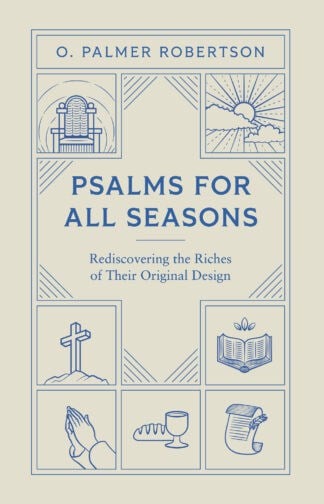
Psalms for All Seasons
Rediscovering Their Original Design
price
Original price was: $19.00.$17.10Current price is: $17.10.
Description
At one time, the Book of Psalms held a central place in the worship of biblically faithful churches. In many congregations, however, the Psalter has become neglected—not only are the Psalms not regularly sung, but the public reading of them has been limited to occasions when the text of the sermon is taken from that […]
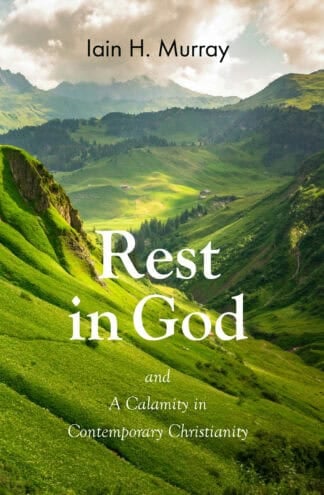
Rest in God
A Calamity in Contemporary Christianity
price
Original price was: $4.00.$3.60Current price is: $3.60.
Description
Subtitled ‘A Calamity in Contemporary Christianity’, shows that a day specially set apart has come down from creation, and in essence its meaning has not changed. 40pp.
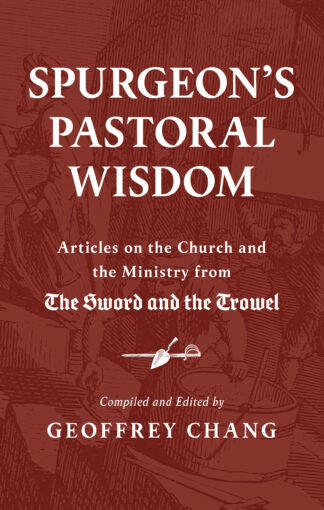
Spurgeon’s Pastoral Wisdom
Articles on the Church and the Ministry from The Sword and the Trowel
price
Original price was: $29.00.$23.20Current price is: $23.20.
Description
Charles Haddon Spurgeon (1834–1892) was the famous pastor of the Metropolitan Tabernacle in London in the nineteenth century. Under his preaching, the once-dying church was revived and became an engine for evangelism, pastoral training, missions, and church planting. But Spurgeon wanted to see more than just his church thriving. He had a heart to see […]
Testimonials
Submit your testimonial
There are no testimonials yet, would you like to submit yours?