
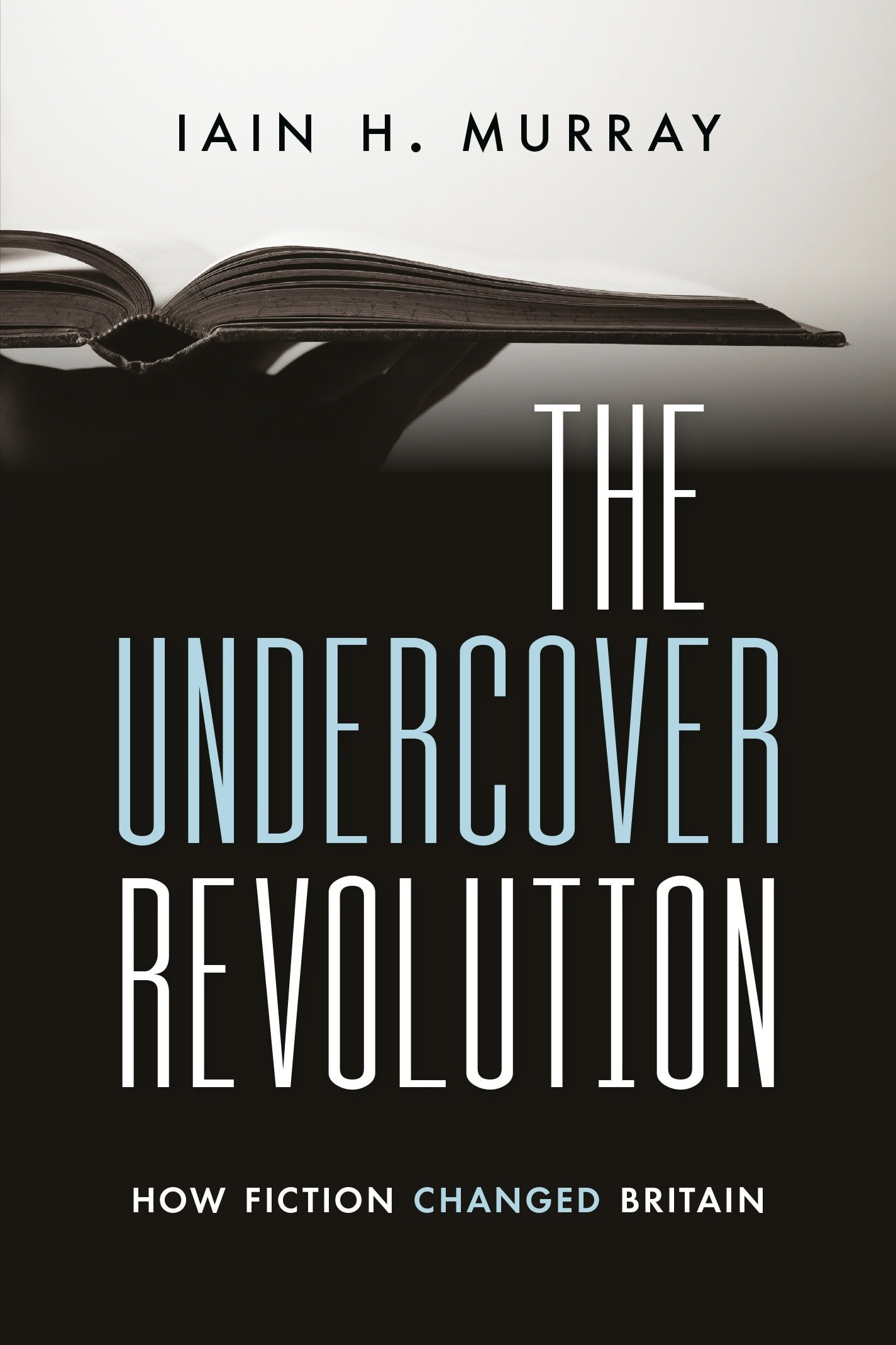
The Undercover Revolution
How Fiction Changed Britain
| Weight | 0.26 lbs |
|---|---|
| Dimensions | 7.13 × 4.75 × 0.3 in |
| ISBN | 9781848710122 |
| Binding | Paperback, eBook (ePub & Mobi), Paperback & eBook (ePub & Mobi) |
| Topic | General History |
| Original Pub Date | 2009 |
| Banner Pub Date | Jan 1, 2009 |
| Page Count | 112 |
| Format | Book |
Book Description
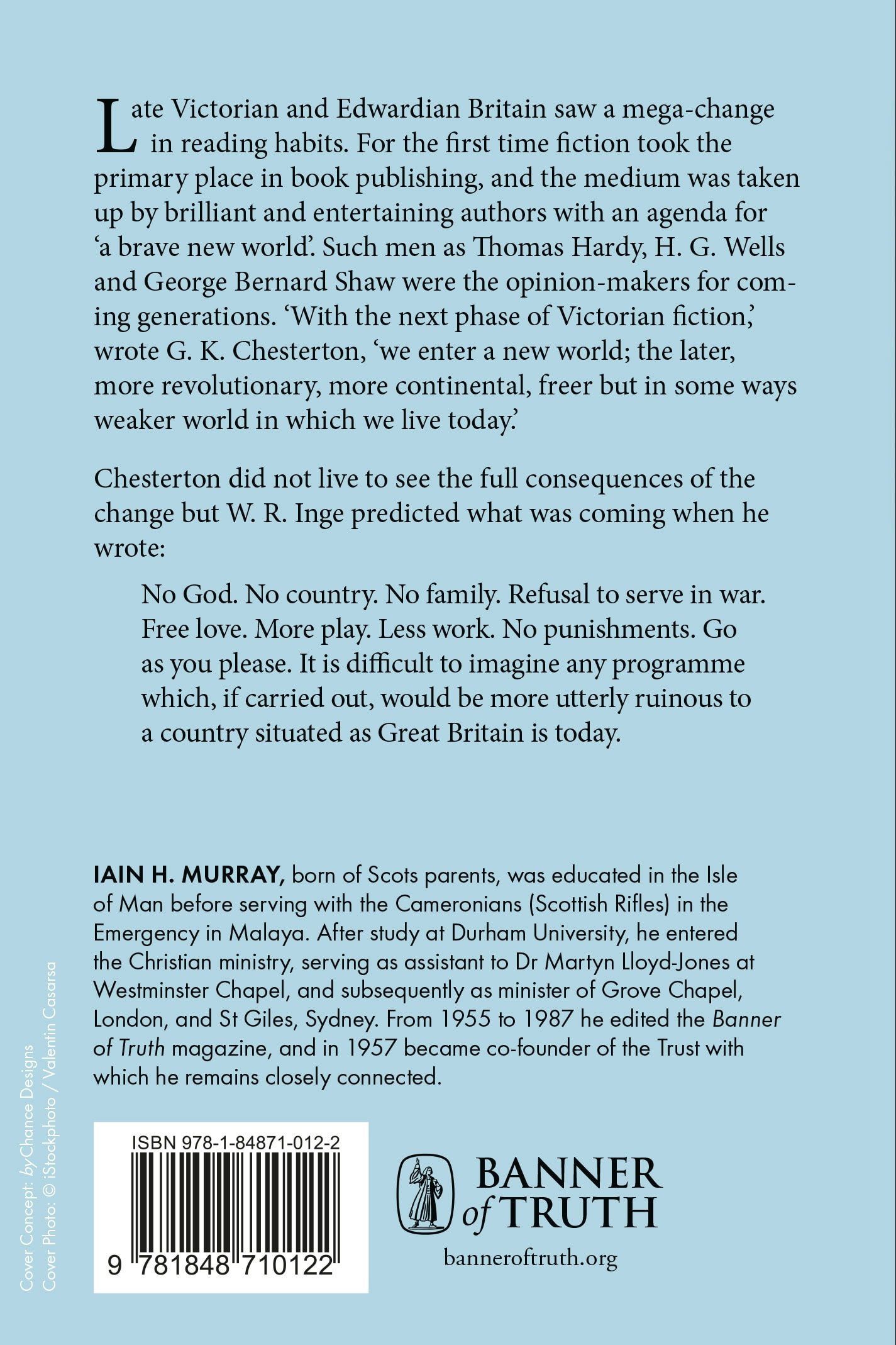
Late Victorian and Edwardian Britain saw a mega-change in reading habits. For the first time fiction took the primary place in book publishing, and the medium was taken up by brilliant and entertaining authors with an agenda for ‘a brave new world’. Such men as Thomas Hardy, H.G. Wells and George Bernard Shaw were the opinion makers for coming generations. ‘With the next phase of Victorian fiction’, wrote G.J. Chesterton, ‘we enter a new world; the later, more revolutionary, more continental, freer but in some ways weaker world in which we live today.’
Chesterton did not live to see the full consequences of the change but W.R. Inge predicted what was coming when he wrote: ‘No God. No Country. No family. Refusal to serve in war. Free love. More play. Less work. No punishments. Go as you please. It is difficult to imagine any programme which, if carried out, would be more utterly ruinous to a country situated as Great Britain is today.’
Table of Contents Expand ↓
| Preface | vii | |
| PART ONE | ||
| 1 | Introduction | 3 |
| 2 | Robert Louis Stevenson | 9 |
| 3 | Thomas Hardy | 27 |
| 4 | The Novelists Multiply | 49 |
| 5 | General Lessons | 59 |
| PART TWO | ||
| 6 | Is Christianity Fiction? | 79 |
| Index | 97 |
Related products
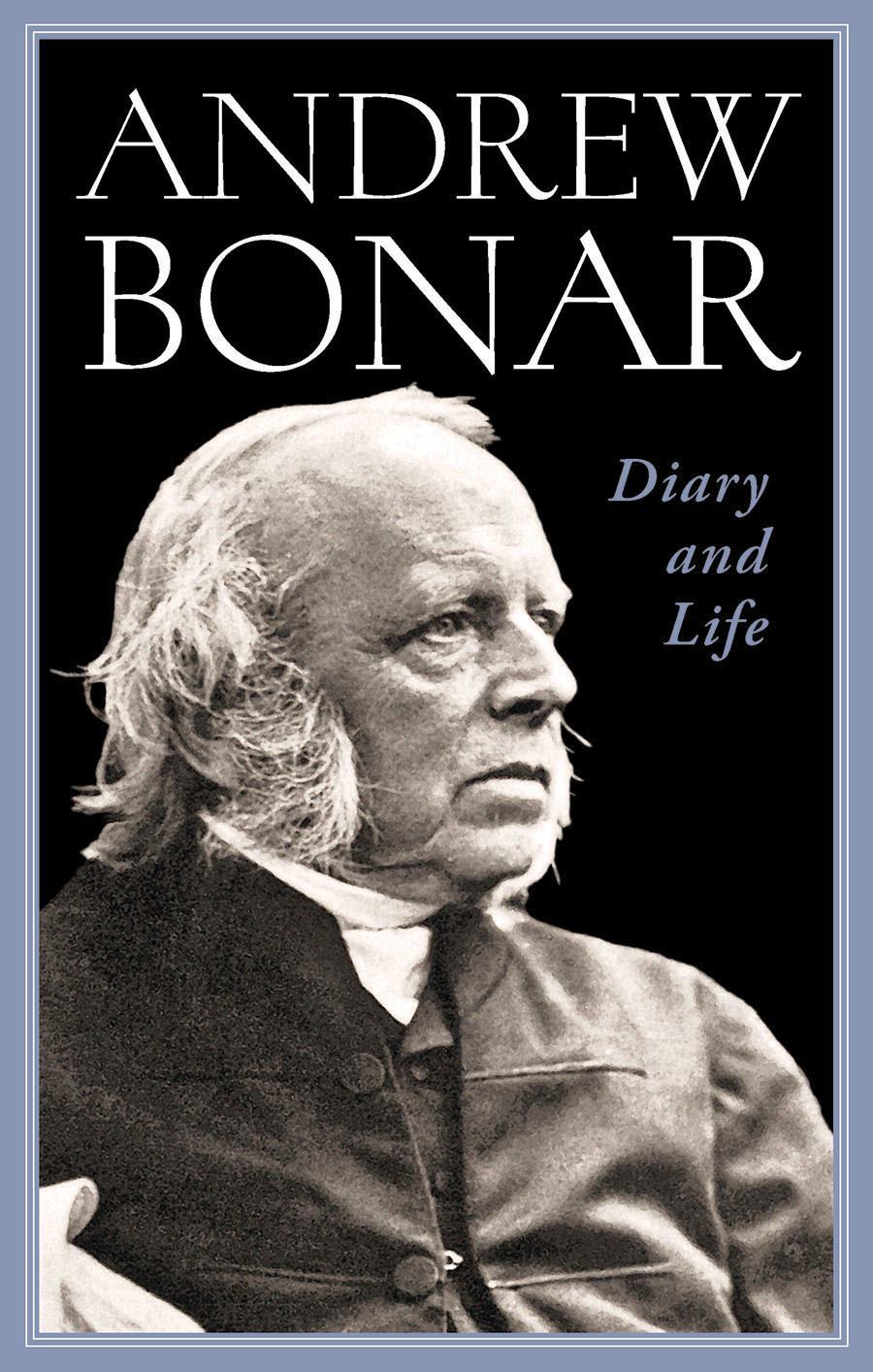
Andrew Bonar
Diary & Life
price
Original price was: $30.00.$27.00Current price is: $27.00.
Description
The Diary and Life of Andrew Bonar (1810-92) gives a panoramic view of one of the most fascinating periods of Scotland’s church history.
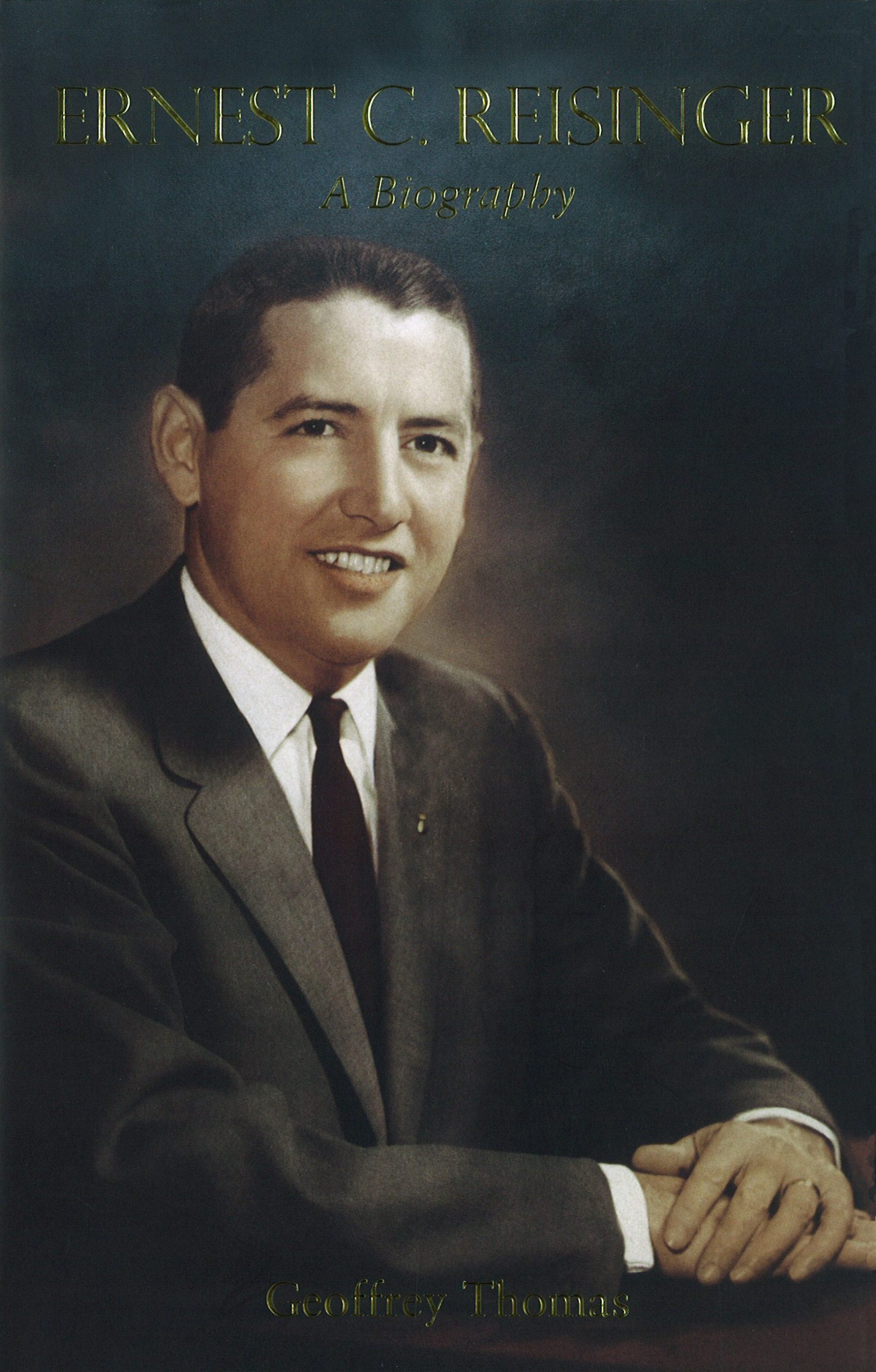
Ernest Reisinger
A Biography
price
Original price was: $26.00.$23.40Current price is: $23.40.
Description
The absorbing story of a man greatly used of God in the renaissance of the Reformed faith in the 20th century. 272pp.
Testimonials
Submit your testimonial
There are no testimonials yet, would you like to submit yours?