
Writings of John Newton
Born in London in 1725, deprived of the godly influence of his mother before he was seven years old, John Newton was but two years at school before he went, at the age of eleven, on his first voyage with his father, a sea captain. From that time till the age of thirty, when his health was broken by a stroke, Newton endured the wild rigours of a life before the mast, including being press-ganged aboard a naval vessel and flogged when captured after desertion. Only his love for the youthful Mary Catlett preserved him from suicide. He was released from the navy only to join in the slave traffic across the Atlantic, and was reduced almost to death on the Guinea coast before being delivered by a friend of his father’s.
Throughout these sad events there ran a divine purpose; and while Newton forgot the Saviour whom his mother had so often commended to him in childhood, and while he became, like one of old, a ‘blasphemer and injurious,’ it was all leading to a day – in the midst of a tremendous storm at sea – when he was brought to say: ‘I stood in need of an Almighty Saviour, and such a one I found described in the New Testament. The Lord had wrought a marvellous thing.’
After Newton ended his seafaring days he became tide-surveyor in Liverpool, a thriving slave port with a population of 22,000. It was here that Newton first heard the great evangelist, George Whitefield, and soon he came to know other leaders of the Evangelical Revival such as William Grimshaw and Henry Venn. His own thoughts were now turned to the ministry, and after several disappointments he was at length settled in 1764 in the Buckinghamshire parish of Olney – a name immortalized by the hymns which he and the poet William Cowper wrote for their mid-week meetings.
In his sixteen years at Olney, Newton found a good field for exercising his gift as ‘the letter writer par excellence of the Evangelical Revival’. The dreadful condition from which he had been saved, the long struggle he went through before he came to a clear understanding of the gospel, and the years of patient waiting for an opening in the Church, all served to prepare Newton for this work. He was given a thorough knowledge of the workings of the human heart and of the Lord’s dealings with his people.
Newton became minister of St. Mary Woolnoth, London, in 1779, where he continued to preach until almost the end of his life in 1807. Being advised by Richard Cecil in 1806 to discontinue preaching, he gave the memorable reply. ‘I cannot stop. What! shall the old African blasphemer stop while he can speak?’
Read an article by Geoff Thomas on the life of John Newton here.
Take 15% off one or more titles, 20% off 3 or more titles, and 25% off five or more titles. Special pricing ends May 17th.
Showing all 7 resultsSorted by latest
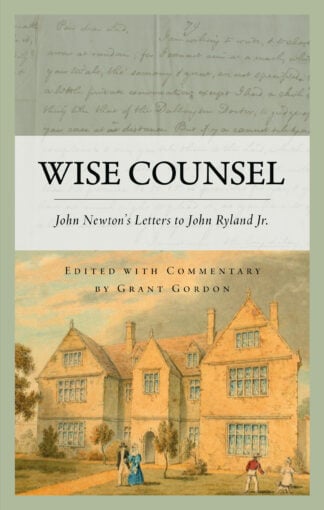
Wise Counsel
John Newton's Letters to John Ryland Jr.
Description
John Newton (1725–1807) has rightly been called ‘the letter-writer par excellence of the Evangelical Revival’. Newton himself seems to have come to the conclusion, albeit reluctantly, that letter-writing was his greatest gift. In a letter to a friend he confessed, ‘I rather reckoned upon doing more good by some of my other works than by […]
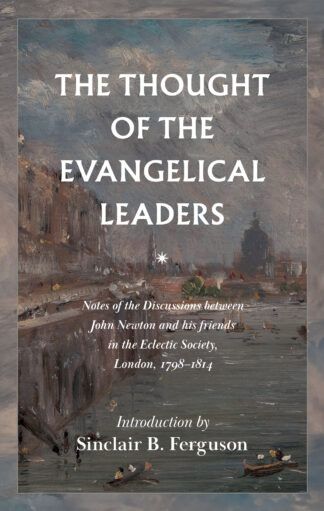
The Thought of the Evangelical Leaders
Notes of the Discussions between John Newton and his friends in the Eclectic Society, London, 1798–1814
Description
Notes of the Discussions between John Newton and his friends in the Eclectic Society, London, 1798–1814. 720pp.
Jewels From John Newton
Daily Readings from the Works of John Newton
Description
Endorsements ‘Some men are known for the hymns they write. John Newton is one— “Amazing Grace, how sweet the sound” being his most famous. And some are known as preachers. John Newton was also one. But a very small number of men are known for the profound wisdom to be found in their personal letters. […]
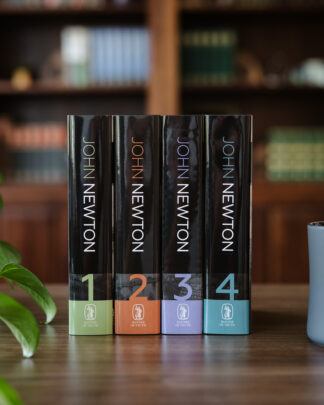
The Works of John Newton
4 Volume Set
Description
EndorsementsRead More ↓ ‘In few writers are Christian doctrine, experience and practice more happily balanced than in the author of these letters, and few write with more simplicity, piety and force.’ — C. H. SPURGEON ‘What thousands have derived repeated profit and pleasure from the perusal of these utterances of the heart! Nor ever will […]
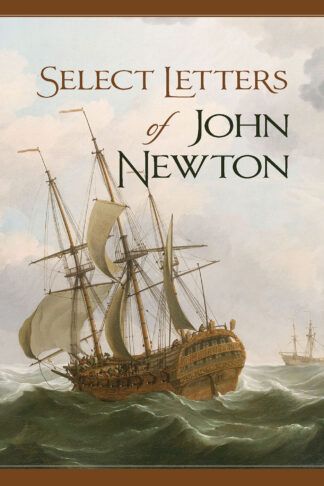
Description
Practical letters on a wide variety of subjects, from ‘the letter writer par excellence of the Evangelical Revival.’ 240pp.
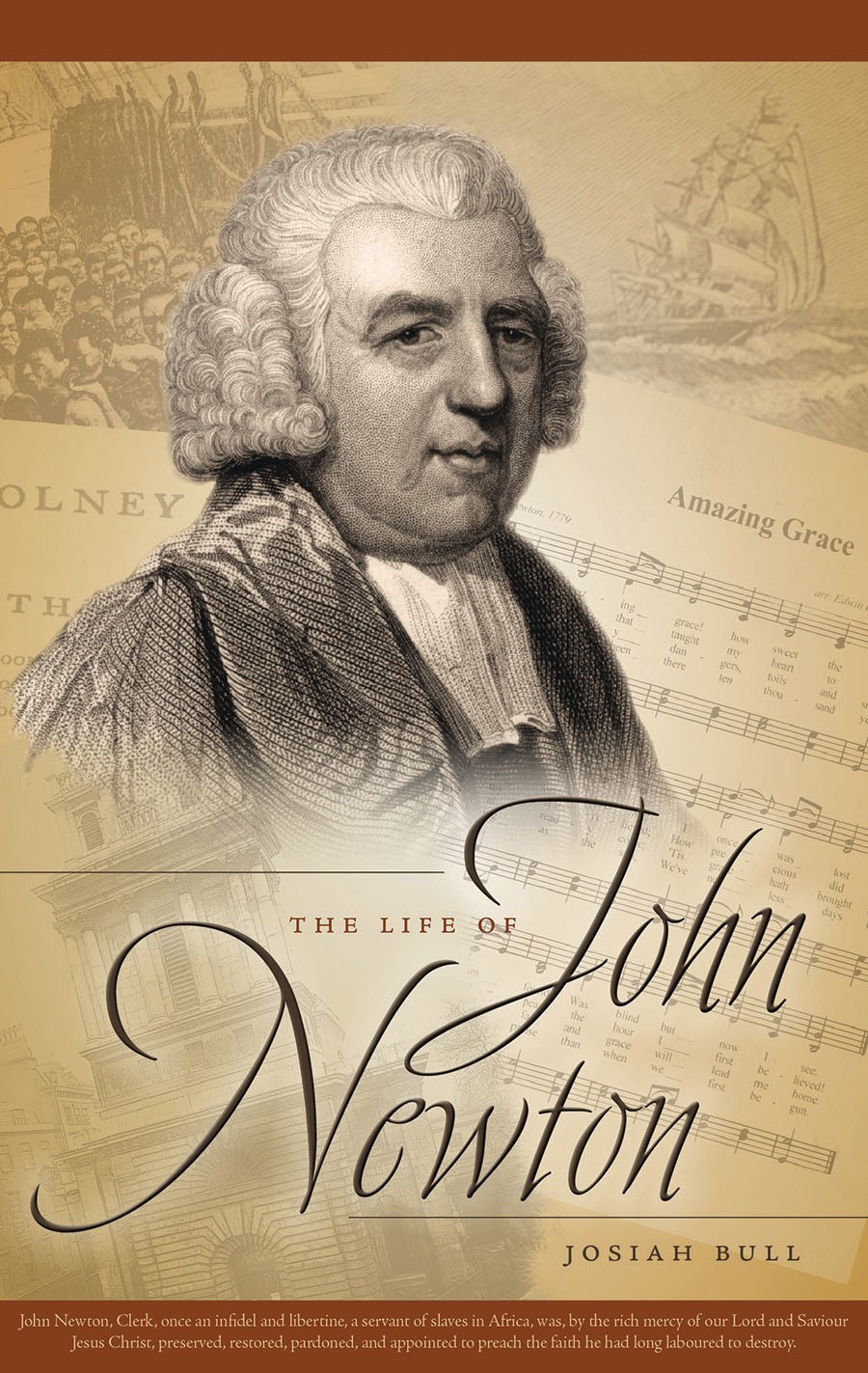
Description
Contains much valuable first-hand material from Newton himself. Formerly published as But Now I See. 432pp.
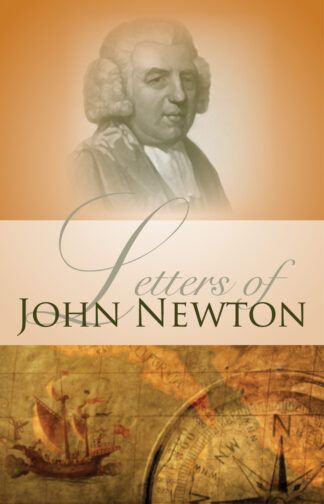
Letters of John Newton
With Biographical Sketches and Notes from Josiah Bull
Description
This selection by Newton’s biographer covers a wide variety of subjects and aims ‘to conform the believer to Christ.’ Includes biographical sketches and historical notes by the editor. 432pp.
Showing all 7 resultsSorted by latest