


The Theology and Theologians of Scotland
in the Seventeenth and Eighteenth Centuries
| Weight | .472 kg |
|---|---|
| Dimensions | 22.22 × 14.28 × 2.38 cm |
| ISBN | 9781800405707 |
| Format | Book |
| Binding | Cloth-bound |
| Page Count | 312 |
| The Author | James Walker |
| Subtitle | in the Seventeenth and Eighteenth Centuries |
James Walker (1821–1891) belongs to that rare class of individuals who have been able to master the theological literature of a nation. This valuable book contains the fruit of his studies in the field of Scottish theology—a field rich with important topics of continued relevance.
Originally delivered as a series of Cunningham Lectures at New College, Edinburgh, Walker covers topics dealt with at length by Scottish theologians, including predestination, the nature and extent of the atonement, the nature of the church, and church-state relations.
Walker confines himself to dealing with theologians he considered to be most helpful, that is, those in the evangelical Presbyterian tradition of Scotland.
The result is a book that deals with matters of lasting importance, presenting readers with teaching on such matters from some of the finest theologians who have ever graced the church.
This edition includes a substantial Introduction and many new explanatory footnotes by Dr Donald John MacLean. Latin quotations have also been translated.
You may also like…

price
£16.00
Description
Murray explores Scotland’s rich Christian heritage and underlines its remarkable relevance for our own day. While not a Scottish Church history, A Scottish Christian Heritage is a gripping introduction to the many glorious successes, and some of the painful failures of the church, from the days of John Knox to those of Horatius Bonar. 416pp.

price
£18.50
Description
Book Description In the forty years prior to these lectures, Scotland had been favoured with true revivals, for example, at Moulin in 1800; in Skye in 1814; in Arran in 1818; in Lewis in 1834; and at Kilsyth in 1839. This adds a special lustre to this book. It is no theoretical reflection on revival. […]

Preachers of Scotland
From the Sixth to the Nineteenth Century
price
£12.50
Description
A readable and popular survey of Scotland’s leading preachers from the time of Columba to the late 19th-century. 368pp.

A Sad Departure
why we could not stay in the Church of Scotland
price
From: £6.75
Description
Endorsement ‘David Randall has written a lucid manifesto explaining why he and others are leaving the Church of Scotland now. While that may seem a narrow issue of no concern to believers in the rest of the world, it is certainly not. The arguments he proffers for departure from this historic church stand equally true […]
Related products

price
£16.00
Description
A marvellous study which serves both as a doctrinal treatise on the atonement and as a commentary on many of the most important passages in the New Testament. With the same author’s Christ’s Doctrine of the Atonement, presents ‘an unparalled exposition to which preachers can turn when expounding any New Testament book’—Sinclair B. Ferguson. 560pp.
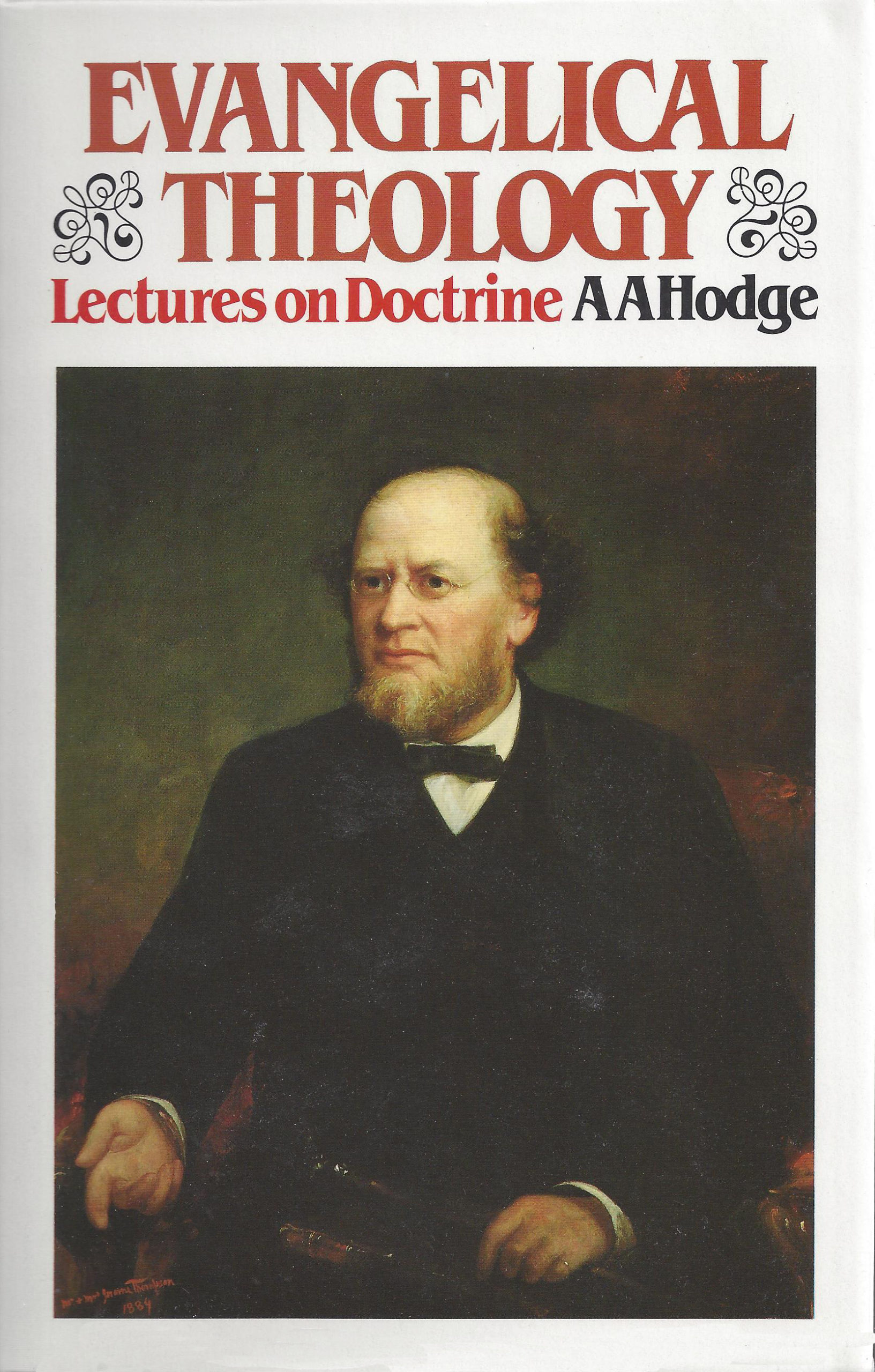
Evangelical Theology
Lectures on Doctrine
price
£12.00
Description
Within this volume readers will find ‘the learning of a scholar and the enthusiasm of a loving Christian’. Hodge gave his students ‘theology, exposition, demonstration, orthodoxy, learning, but giving all this to them warm.’ 456pp.

Victory
The Work Of Spirit
price
£1.50
Description
The inevitable success of the Spirit’s work in the present age. 44pp.
Marc Daniel Rivera (KristiyaKnow) –
Scottish theology has given the church some remarkable names, and many of them are familiar to readers of Reformed literature. John Knox, Samuel Rutherford, Thomas Boston, and Hugh Binning are just a few of the theologians whose writings have continued to influence generations of Christians. But how well do we know the theological tradition that shaped these men, the debates they engaged in, and the ideas they passed on to the church? This is where James Walker’s The Theology and Theologians of Scotland in the Seventeenth and Eighteenth Centuries becomes particularly valuable. Originally delivered as the Cunningham Lectures at New College, Edinburgh, in 1870–71, this work offers a fascinating look into the theological heritage of Scottish Presbyterianism. Now refreshed and presented in a durable cloth-bound format by Banner of Truth.
Walker doesn’t simply give us a collection of biographies or a chronological account of Scottish church history. Instead, he takes us through the major theological discussions that occupied some of Scotland’s finest minds. The opening chapter, “Survey of the Field,” provides an excellent introduction to the leading figures and their contributions, beginning with John Knox and moving through the seventeenth and eighteenth centuries. Along the way, Walker introduces readers to familiar names like Rutherford and Gillespie, while also bringing attention to lesser-known figures such as Robert Boyd of Trochrigg, David Calderwood, and Adam Gib. His treatment of these men makes it clear that Scottish theology was a rich and diverse tradition, shaped by generations of ministers who were deeply committed to Scripture and the Reformed faith.
The next two chapters deal with predestination and providence, followed by the nature and extent of the atonement. These are not exactly light subjects, and Walker doesn’t shy away from their more difficult questions. He examines how Scottish theologians understood divine sovereignty, the relationship between God’s providence and human actions, the nature of sin, and the grounds of redemption. The discussion of the atonement is particularly interesting, especially his treatment of the Marrow Controversy and the differences among Scottish divines concerning the extent of Christ’s redemption.
The book then turns to ecclesiology, which occupies a substantial portion of Walker’s study. The fourth chapter examines the doctrine of the visible church, including the historical Presbyterian understanding of church unity, membership, and the seriousness of schism. I found this particularly thought-provoking because some of the convictions held by these earlier theologians are quite different from the way many Presbyterians and other Reformed Christians approach denominational divisions today. Walker doesn’t merely recount their positions; he helps readers understand the theological reasoning behind them and how those convictions gradually changed over time.
Read my full review on https://kristiyaknow.wordpress.com/2026/11/11/book-review-the-theology-and-theologians-of-scotland